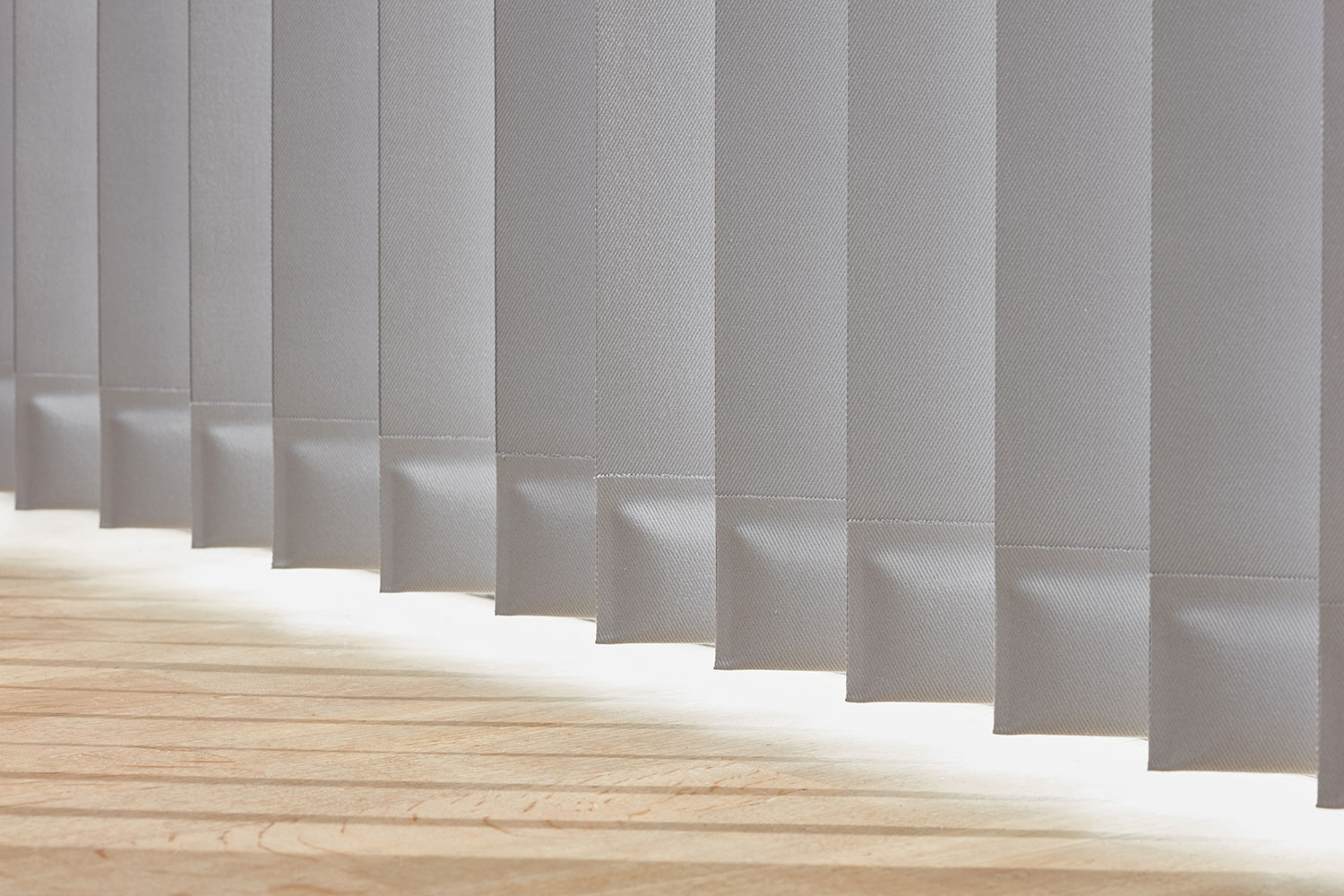
The Local Homeowner's Guide to Right Blinds
Blinds Can Be Used To Block Out The Sun And Also Protect Your Home.In Australian homes, the sun has become a valuable commodity. Its warmth is a favorite however, it also has its harsher aspects. Ultraviolet radiation as well as intense heat can cause your rug to become faded and transform your living room to a sauna in the afternoon. Blinds are not just about style or privacy. They're also a crucial choice for environmental defence. Your blinds serve as your protection every day from Australian sunlight. Knowing how different materials handle heat and UV is crucial to maintaining your interior, your comfort and budget for cooling. You need to choose the right barrier, not just a cover.
The attack that comes from our windows comes from two angles. The first is UV radiation, which in Australia is as the strongest in the world. The invisible energy is responsible for sunburns but also for dissolving dyes and fabrics. It's the power that changes the vibrant crimson cushions into a washed-out pink, causing precious photos or artwork to fade behind their glass. Second, solar heat gain. This is the infrared light that turns glass into an emitted heater. If not controlled the heat will engulf your room, forcing air conditioners to run at maximum speed, and thereby increasing your energy bill. Blinds that provide only shade is only fighting half the fight. The most effective blinds are engineered for both light and heat energy management.
The protection spectrum starts with basic light filtering. Simple, unlined fabrics in styles like Roman or roller blinds can help to reduce glare and give some privacy, but they offer little protection against heat and UV. Blinds guard against UV rays and heat, not from the eye. Choose weaves and fabrics specially designed to provide true security.
Sunscreen, also known as filter weaving, is the champion. This fabric is made of synthetic mesh and is typically covered with PVC. Its uniqueness lies in its selective filtering. It diffuses the harsh direct sunlight into a soft and pleasant light. You can still be able to see outside, but it blocks a substantial amount of UV rays typically between 90 and 95 percent. It is like a durable, window-sized pair of quality sunglasses. This is a smart, modern solution for rooms that require light, but don't want to be damaged by it such as living rooms, offices at home, and sunrooms. Its efficiency can be measured by the openness Factor which measures the proportion of spaces that are open within its woven.
Blockout materials are perfect for scenarios that demand total defense. They are thick and tightly-woven materials that are usually coated with an acrylic or rubberized coating. These fabrics block the majority of light (99.5%+), as well as UV Rays. When they are completely lowered they can create a darkroom effect, essential for bedrooms, media rooms or windows that face the harsh western sun. A significant benefit of theirs is their thermal insulation. In creating a strong air barrier at the window they significantly reduce heat transfer by keeping summer heat out while letting winter warmth inside. The latest versions are equipped with a reflective backing that actively reflect sunlight.
Structural design also plays a starring role, exemplified by honeycomb or cellular blinds. The hexagonal folds of these blinds are amazing engineering feats. These air pockets on the vertical side create a layer of insulation which slows the movement of heat. You can think of it as a double-glazing window. They provide superior UV protection because of their dense fabric walls. They also provide superior thermal performance all year round. This keeps interiors warmer and cooler in summertime. They are also the most efficient in energy efficiency.
It's important to consider more than just the colour in the front. Consider the process. Solution-dyed fabrics (like polyacrylics and polyesters) with the colour embedded within the fibres, are naturally resistant to fade. Keep an eye out for UV-inhibitor treatments that were added to fabrics during production. The quality and thickness of PVC or vinyl blinds determine their strength and long-term performance under continuous sunlight exposure.
Affirmative questions to a supplier can enable you to move away from the stale dialogue ("I like that colour"). Ask questions that provide more information: "What percentage of UV protection does this fabric have?" Are there reflective or thermal backing for the fabric? "What is the typical fade time for a product used in a window facing north?" A reliable service can answer these questions and will likely ask regarding the aspect of your window and what you're trying protect. A blind for the south-facing bedroom is different than a blind for the north-facing lounge, with silk sofa.
Fit and function is the final aspect, which is often neglected. Inconsistencies can damage even the most durable material. For "light leaking" to be prevented, it is vital to ensure that a blind is snugly fitted within the recess of its frame or overlapped properly. How often you will deploy your blind will depend on its ease of operation. Blinds that are too heavy to use will be left in the dark, thereby destroying the point of. The smooth, easy, or motorised operation encourages the use of blinds on a daily basis as a matter of course rather than a an obligation.
Blinds that are properly designed and have UV and thermal protection is a long-term plan. It is an investment in the preservation of your furnishings, flooring, as well as your artwork. It's an investment that can reduce the burden on cooling systems, and reduce your energy costs. And it is an investment in liveability--creating comfortable, glare-free spaces that are a joy to inhabit throughout the day's changing light.
Blinds in Australia are not just for decoration. The sun is an important and continuous force. They're an essential component of your temperature control. Making the right choice in material lets you to enjoy the view and let the sun shine in whenever you want. It also ensures that the colors of your house will be vibrant into the future. It's, in essence, the smart application of shade as a method for sustainable and comfortable living. Take a look at the top rated blinds for site examples including need blinds, perfect fit blinds australia, window covering store, exact fitting blinds, 100 blinds, blinds 100, all blinds direct, blinds online direct, cheap blinds, wholesale factory direct and more.
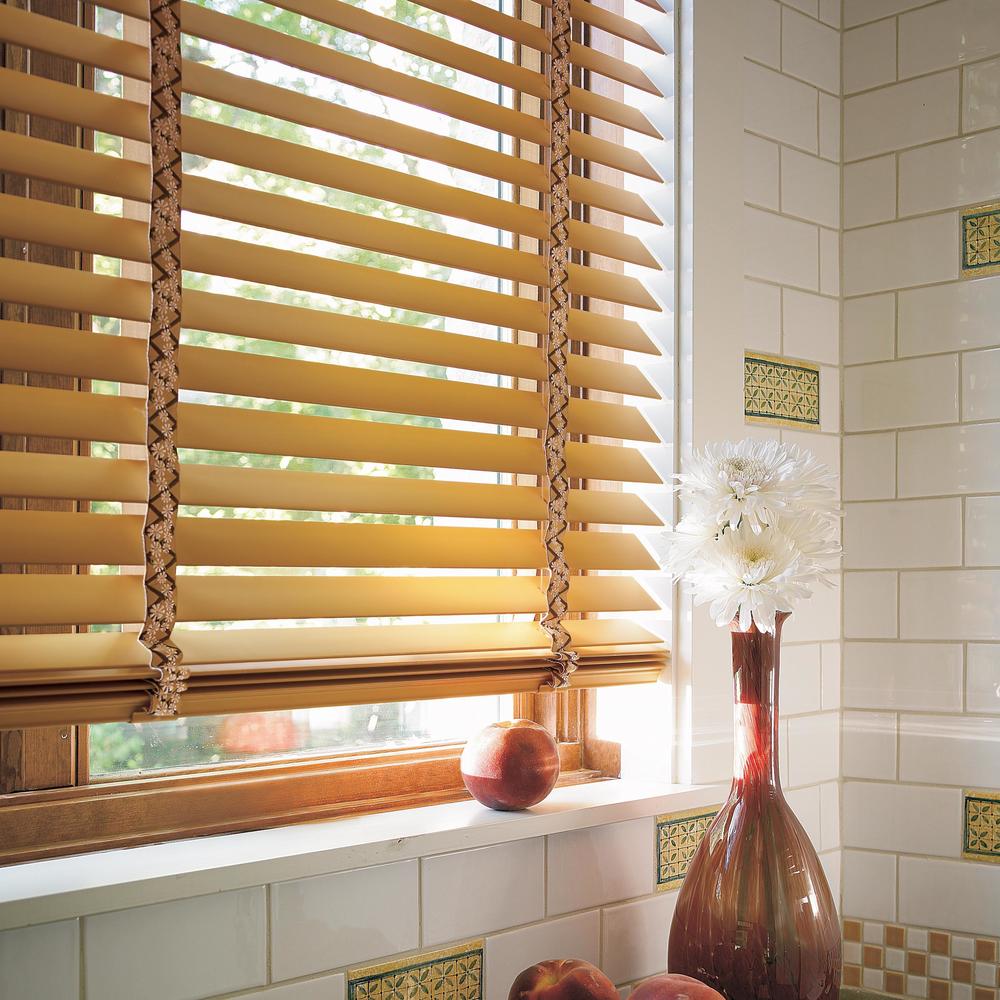
The Silent Switch How Motorised Shades Are Subtly Redefining Australian Homes
In Australian tradition, the simple blind was always regarded as to be operated by hand. A simple physical act like a tug of the cord or the turn of a wand can mark the day-to-day rhythms of an apartment. A quiet revolution is occurring but not due to a change in material or design, but more so in the way it functions. Motorization, once considered an expensive option for the future is becoming more prevalent in Australian homes. It's an evolutionary shift, that transforms blinds into an intelligent fully integrated blind. It offers unparalleled convenience, while also creating new opportunities to increase energy efficiency. This isn't just about avoiding the cord. It's about rethinking what a blind can do.
Let's start with the instant appeal: pure and effortless convenience. Think about the typical Australian architectural design that is the windows in the bank or the glass-soaring door or the hard-to-reach skylight. Operating multiple covers manually across a large or tall space can be a hassle. With motorisation, a single command--a button on a remote, a tap on a smartphone, or a voice instruction--orchestrates the entire scene. While sitting in your chair, you can lower the blinds of the whole living room to block out the afternoon sunshine. Open the blinds in the bedroom and greet the dawn. This is ideal for rooms that have many windows. It is possible to transform an ordinary task into something that's an everyday activity. In addition, the mechanical components used are of the highest quality. A reliable, high-quality motor will ensure consistent smooth, quiet operation. This will eliminate the jerks caused by manual systems as well as slips and unbalanced alignment.
It leads directly to a third Australian benefit, which is increased energy efficiency and climate control. Temperature control is the biggest energy consumption in the home. Motorization allows for a more precise and timed control than manual operation. Through a simple programmable timer or integration with smart home systems, your blinds can become active participants in regulating your home's microclimate. They can be programmed to automatically lower at 11 AM to stop the intense summer sun, stopping heat build-up before it happens before it gets too hot, and then rise when it gets dark. In winter, it is possible to make them open earlier in the morning to ensure that they can capture sun's passive heat. Close them at night for an additional layer of insulation. This proactive approach reduces the requirement for air conditioners and heaters. This also leads to lower energy costs. This is automation for comfort and energy conservation.
Safety is an argument with two sides. It is the ultimate solution to child safety. It eliminates strangulation risks right at the source and is fully compatible with Australian safety standards. This offers parents and grandparents peace of mind. This also improves security for the home. The randomness of the blind movement is a classic alarm for potential burglars who are looking for clues to an empty home. Blinds with smart technology that simulate the presence of your guests can be adjusted to lower and raise at different time intervals. Manual blinds or static clocks cannot perform this. This allows you to incorporate security into your daily routine.
Integration and smart ecosystems will unleash the full potential of motorisation. Modern motorised shutters aren't islands. They are made to be integrated. They are able to integrate with platforms such as Google Home or Amazon Alexa. They can also be used as a scene to create a smart home automation. Imagine an alarm that says "Good Morning" that is triggered by your alarm clock that gradually raises the blinds in your bedroom, turns on the lights with gentle hum and then starts the coffee maker. The "Away Scene" locks the blinds and doors, while arming the alarms. You can also integrate sensors. Blinds can be automatically reduced when a room's sensors detect the temperature of a certain level or close at sunset according to your geolocation. This is a way to take control away from a reactive environment and towards a more responsive, intelligent space that is a perfect fit for your life.
Australians are more likely than ever before to think about this alternative. Retrofit solutions now exist which can be used to motorize existing blinds using compatible headrails, often with no need for full replacement. When installing new blinds, choosing between hardwired and battery-powered motors is crucial. Modern lithium batteries last as long as two years on a single charge, making batteries extremely flexible and simple to install. They are durable and non-maintenance. They are ideal for large remodels or for new construction in which wiring is being planned. It all depends on the ease of access to wires and you're planning to perform ongoing battery maintenance or just upfront electrical work.
Choosing the right system requires a shift in consultation. Inquiring "Can it motorised?" is no longer enough when speaking to suppliers. It is better to ask "How do I integrate it?" Examine their knowledge of the smart home protocols (Wi-Fi, Zigbee, Z-Wave). Ask about their recommended control system and its reliability. Find out about warranty protection specifically for the motor and electronic components. A reliable provider will be able to discuss failsafes - like manual override options in the event of power interruptions and will make sure that your system is calibrated to the precise size and weight of the blind.
In the end, motorised blinds will give you a home that is more secure, responsive and efficient. Innovative, automated solutions tackle the issues of lifestyle and climate. It transforms a non-useful household item into a powerful instrument for controlling lighting, privacy and heat. While the initial investment is more expensive than manual systems, the long-term returns in energy savings, preserving furnishings, safety and the sheer convenience of daily life make it a compelling proposition. It is a move towards a house that doesn't only shelter you, but actively works with you as a silent collaborator in crafting the perfect light, the right temperature, and the perfect atmosphere for Australian life, one automated adjustment at one time.