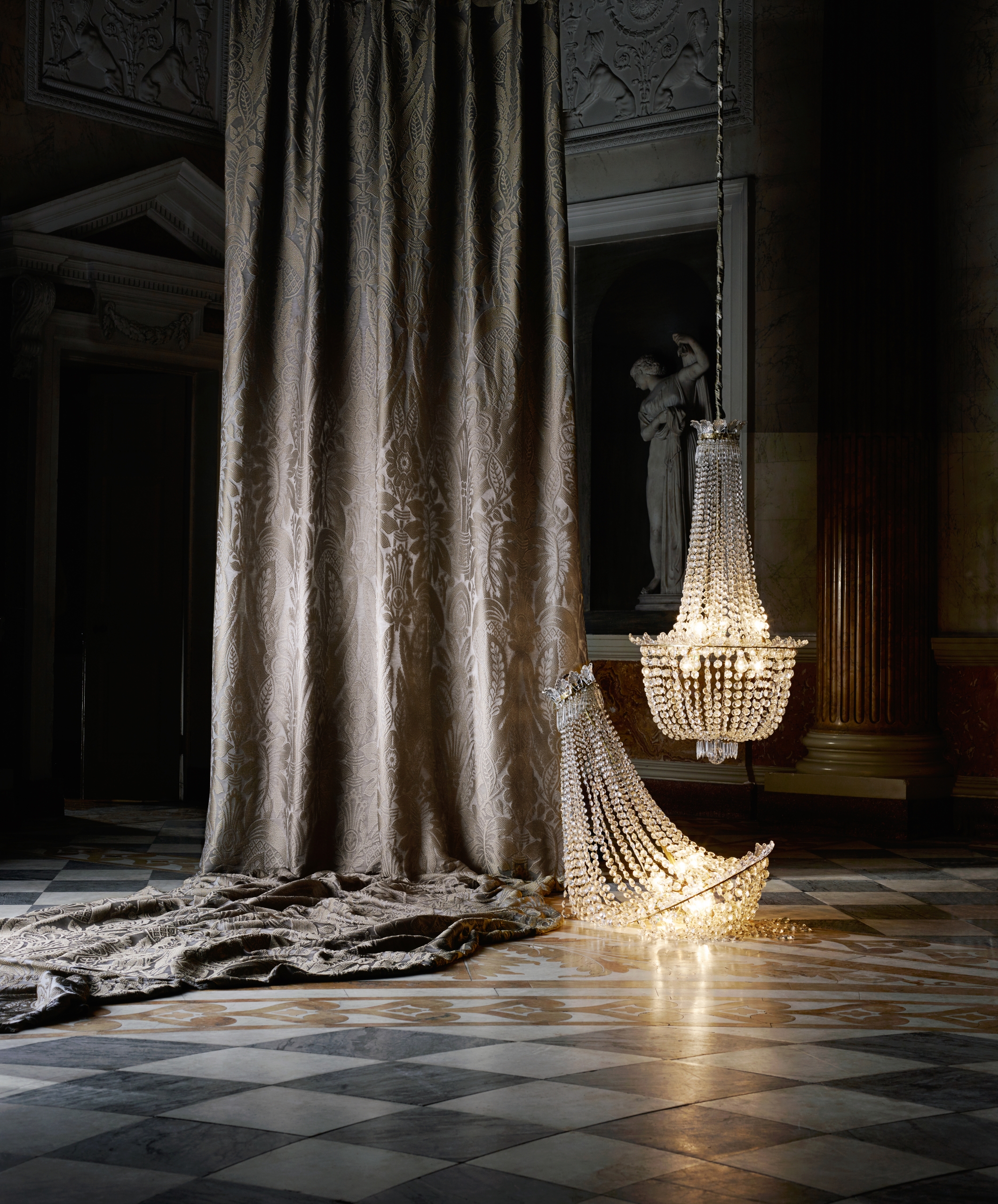
20 New Pieces Of Advice for Finding Dress Fabric in Birmingham, Walsall and Lichfield
The Advantage Of Custom Made Curtains: Why They Outshine Ready-Made Curtains Every TimeThe decision between pre-made and made-to-measure curtains is often framed as one of cost or luxury. This is a fundamental misunderstanding. Custom-made drapes are a totally distinct kind of thing. They are a technical installation in your living space which can deal with lighting, acoustics, as well as proportion and durability in ways that mass-produced products can't. Not only are they decorative, but they also serve as environmental filters. They are designed with precision starting by constructing the fabric. This in-depth examination of the ten benefits of custom curtains will reveal how they make use of local resources - from Birmingham's warehouses for fabric to the trim experts in Lichfield - to solve issues you never knew your windows had.
The Top 10 Things You Need to Know:
1. "Reveal" is the "Reveal" is the Precision of the "Impression Architectural Integration" of Window Coverings.
The window is surrounded by pre-made drapes. Custom-designed curtains are designed to match the style of the window. The "reveal" or the exact distance between curtain edge and frame when opened is the most significant measurement. Professionally-designed manufacturers calculate the reveal down to the millimeter. This helps ensure that curtains stack back neatly and do not block light or vision, aligning perfectly with architraves and other. Standard sizes are no longer a shaky, unsteady hover. This service is offered by Birmingham fabric shops who are experts in brackets and trackers.
2. The "Fullness" Factor The Secret to Professional Drapery Silhouettes.
The biggest difference is in the visual impact. The curtains made from ready-made are usually flat with a proportion of width to rail (fullness) that is generally less than 1:1. Curtains made to measure come with fullness ratios of 2:1 or 2.5. For a 2 meter length of curtain rail, you'll have to make use of between 4 and 5 meters of curtain fabric. The excess fabric is able to be rolled up and tucked into the header. It produces luxurious folds which fall into natural cascades in a consistent manner (called the"stack") and provides superior insulation as well as light blocking. This requires precise calculations when buying fabric in metre lengths. A service that is offered by all of the reputable curtain fabric retailers.
3. Fabric Sovereignty. Escape the "Domestics Ghetto".
The majority of ready-made curtains are made with only a few "domestics" fabric. Customisation lets you access the entire range of the contract and decorative fabric world. You can select upholstery fabrics to achieve superior light absorption and durability as well as delicate dresses like sheer silks for a filtered glow. You can buy a thick wool blend at an Birmingham trade counter to cut down on noise or a linen blend at an Lichfield boutique due to its texture and purity. The fibres, weaves, and finishes are chosen based on their aesthetics and performance and not for their cost effectiveness.
4. The Lining and Interlining Stratigraphy Create a Multi-Layed Window Engine.
The lining on ready-made curtains is often a basic attached lining. Custom made curtains are built like a sandwich. The fabric for the face is only one layer. A cotton drill liner provides stability and protects the face from UV fade. Interlining is the 3rd, and most crucial layer. It's a fluffy soft wool or synthetic layer which sits between the face and the lining. It adds weight, body as well as unbeatable insulation and thermal protection. This transforms drapery, making even mid-weight fabrics appear luxurious. This complex construction is an essential feature of a professional workspace, which is far more than the single-stitch construction used in ready-mades.
5. Header Engineering: Hidden Mechanisms of Hang and Operation.
The head of the curtain (where the hooks are) is its motor. Ready-mades are constructed using normal tape and pre-spaced clips. Custom curtains make use of engineered headers, which are deep pleats that are hand-stitched (like triple goblet, double, or triple) attached to a sturdy buckram base. This gives you precise control over the form the size, depth and shape of the pleats. The fabric weight along with pole type and the formality of the fabric are all important when choosing a header. The specifics of this unique design are discussed when choosing to make use of the recommended designer of a fabric shop.
6. The Hem Weighting Ritual The art of the perfect Perpendicular Fall.
Weights are often used on curtains if the curtain is hung vertically and in perfect alignment. Custom makers attach chains or lead weights to the hem corner, and sometimes the side hems. This adds tension that pulls the fabric taut against its own drag, removing any kick outward or an inward bow. The curtain is then lowered in a single smooth plane from the ceiling to the floor. This subtle, often-invisible detail is what gives custom-made curtains their powerful, stable presence in the room. It's a striking contrast to the frequently-fluttering and insubstantial hang of a ready-made curtain.
7. Alchemy to transform weaknesses into advantages: Problem-Window Alchemy.
Customization is a solution to many issues. Do you have a radiator under the window sill? Custom-designed solutions include an exact length of sill as well as an adjustable tie-back holdback that directs heat to the area. Window in the attic with a slope? The curtain is bent exactly to the angles of the window and cut to match. There is a row of windows with frames that aren't compatible. You can create a single track, or pelmet. Local makers from Walsall are familiar with the region's mixture of Victorian terraces and modern extensions, are adept at the practical, space-specific options.
8. The Local Ecosystem: From fabric bolt to finished installation.
Custom-made curtains are a way to build the local craft community. Fabric shops are the starting place. You might discover a striking design at Birmingham’s Rag Market or subtle linen from Lichfield. The fabric store suggests a reputable drapery maker who might subcontract out to a woodturner or metalworker from the Jewellery Quarter in order to create a unique pole. The curtain maker is an installer familiar with the local wall styles like plasterboard or solid brick. This chain of hyperlocal collaboration guarantees accountability and encourages creativity, creating an item deeply rooted within the regional skill unlike the anonymous supply chain of ready-mades, and encourages the development of craft.
9. The Longevity Equation Reparability Cleanability and the ability to adapt.
Custom draperies are a long-term investment. They are designed for maintenance. Curtain fabrics of the highest quality are able to be cleaned by professionals without causing damage. Seams and stress points are strengthened. The panels damaged by sunlight can be reconstructed using a single sheet of fabric. If you move, a reliable maker can often alter them for new windows. This repairable, circular cycle stands in direct opposition to the disposable, replace-when-worn model of curtains that are ready-made.
10. The Value of Perfection is intangible The Intangible Value of Perfection: A Psychological and Sensory Analysis
Beyond the metrics, the benefit is the experience. The silent, smooth movement of the track. The total blackout that an interlined ceiling-to-floor curtain can achieve. The way the perfectly calculated folds create the afternoon light. The certainty that each and every element, including the color of the thread or tieback knot is deliberate. It provides a feeling of peace and tranquility. It is the result human ability applied to material, a connection to the maker and place than a standard size, cellophane-wrapped panel can never hope to duplicate. View the top made to measure curtains for site advice including the range curtains, tie backs for curtains, curtains with blinds, curtains made to measure, window blinds curtains, curtain materials uk, curtain shop, curtain window curtain, curtains made to measure, curtain poles uk and more.
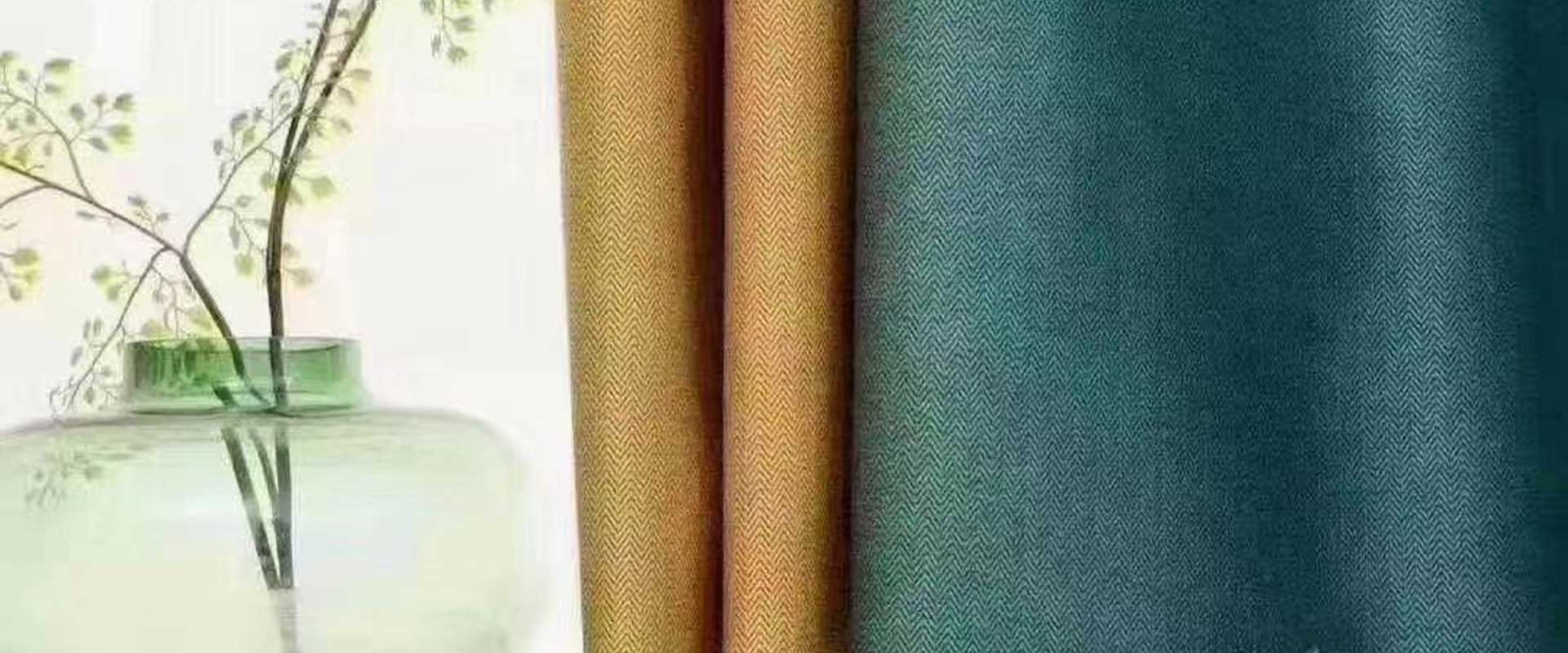
Curtain Fabric 101. Essential Questions To Ask Fabric Shoppers Shop
It's an sensory experience when you enter the fabric shop. What you ask can make the difference between choosing the perfect fabric to make your own custom curtains, or making an expensive error. Generic questions yield an unhelpful and generic answer. This guide will provide you with the ten most important, technical-oriented questions that will change your conversation from a solitary browse into professional advice. These questions will allow you to break through the sales message to discover the essence and characteristics of the fabric, and draw on the specific knowledge of different stores.
Take a look at the Top 10 Things you must know.
1. What is the specific name and the fibre composition of this fabric?
Do not believe "it has a linen appearance" or "it is a blend of cotton." Always inquire for more details. Are you buying 100 percent flaxline, a linen/viscose mix (softer and more wrinkled) or a printed polyester with a linen effect? The names of the weaves such as sateens and twills, ottomans, etc. They will reveal the structure and durability as well as light reflection and other characteristics. A Birmingham trade counter will know this immediately by looking at the roll's tickets. In Lichfield the trade counter might inform you of the history of a significant Belgian linen association. It is the foundational information that impacts more on care, drape and endurance than colour.
2. What is the fabric's length? Is it possible to be "railroaded" to suit my needs?
The most common mistake is to assume all curtains measure 137cm. Some fabrics are 150cm wide and some are at 115cm. The width will have a direct influence on the metreage and seam planning. After this, inquire regarding "railroading", i.e. is the pattern able to run along the bolt in a horizontal direction? You can cut the curtain to the length you desire by dividing the width. This question isn't often asked in Walsall but Birmingham contract contractors can address it quickly for big windows and commercial projects.
3. What pattern are you seeing in the pattern, and is it a straight match?
This is the question that marks the boundary line between casual and serious. For calculating yardage, the repeating of the pattern (e.g. 24,cm) is vital. The most important thing to consider is whether the match is "straight", "dropped" or both. Straight matches align across the width horizontally; a half-drop (or dropped) match is arranged in a brick-like pattern, and requires more fabric in order to ensure that panels are matched easily. This should be demonstrated by a shop assistant in Lichfield with the help of a bolt. This could lead to 20 percent less fabric being purchased for curtains with patterns if you don't ask.
4. "Do you have a sample or sample I can observe in my room's lighting for 24 hours?"
Fabric selections are usually revealed by the colour transformations in different lighting conditions. Under fluorescent lighting, gold can turn yellow when exposed to daylight. The grey color can appear blue. From the Birmingham market stand or an Lichfield shop an honest shop ought to be able to lend or offer you a large piece (at minimum of A4 size). Beware of stores that are unwilling to supply a substantial sample or will only give you a swatch of a postage stamp. When it comes to custom-made curtains the exactness of colour on the spot is crucial.
5. Does this fabric suit my purpose?
The term "industry" will be used to describe your needs. Heavy domestic means that it can be used regularly in a living space. The "Contract" grades (found in Birmingham's warehouses) are the most durable. quality and are frequently designated with specific fire ratings that can use in public areas. When you ask this question, you show the vendor that your knowledge of the performance requirements is clear. This also stops them from suggesting delicate fabrics for patio doors or light voiles which is a frequent mistake in fabric shops.
6. What is the best method of cleaning? And how will the fabric look after cleaning?
Dry cleaning is the only lazy solution. Press for detail. Does it have the ability to be steam cleaned in situ? Are there any water stains? What's most important is to find out what happens to the fabric as it ages through washing. Will linen soften beautifully? The printed colours of cotton fade if washed in first time? The sheen of a sateen finish lose its shine? In Lichfield experts could be discussing the patina that forms on natural fibres, while in Walsall they could be discussing the practicality and ease of removing wipe clean finishes.
7. "Can you suggest a compatible interlining and lining? And do you stock them?"
The fabric that is used to create the face only has one layer. A quality shop takes the entire project into consideration. This question will test their technical expertise and reveal if they can be a one stop shop. They can provide suggestions on the kind of lining that is best for the natural fibers (cotton sateen) blackout linings suitable for bedrooms, and the weight of bump interlining (cotton or synthetic). Birmingham retail stores offer a wide range of products; Walsall stores may have only two or three reliable types; Lichfield boutiques could have top-quality versions.
8. Do you have any recommendations for local curtain makers?
This is the key to unlocking your local ecosystem. Their response will be clear even if you're contemplating your own DIY project. If a business has a long-term association with a variety of curtain makers who are experienced and have invested in the success of their business. It is unlikely that you will be sold an item that isn't suitable for use in making. They might have a factory in Birmingham or an incredibly small-scale artist in Lichfield. A good fabric store has a strong network that is an asset.
9. What is the light filtration rate and UV durability of the fabric?
Don't end at "Is it heavy?" Are you aware of how it alters the light? Do they diffuse glare, create an ethereal glow, or block completely? Find out about UV stability. The sunlight will cause fibres to weaken and dyes to fade. Certain fabrics have built-in ultraviolet-blocking agents. This is a crucial question for a window facing south. This is a query that Birmingham-based suppliers will know the answer to. The answer to this question can assist you in making a choice on your lining fabric and will also help you understand you of your expectations regarding how it will look in 5 years.
10. How do you handle the final sale of your products Are they kept available for future reference?
This will help protect you. After the fabric has been cut into metre lengths this is generally the final purchase. Confirm. It is important to confirm this "cuttings file" is a small clipping labelled your name, the batch number, and the product code. It is required if you ever want to create an additional cushion for your child or to repair the damage. If you're in search of an establishment in Lichfield or Birmingham that is well-organized and has a good reputation, they can provide this service. It shows them as partners and not just the point of sale.